
Smart Rings for Cuffless Blood Pressure Monitoring: Insights from a First-in-Human Clinical Study
09 Jan 2026
Published Research: First-in-Human Study for Evaluating the
Accuracy of Smart Ring-Based Cuffless Blood Pressure Measurement
Authors & Institutions: Seoul National University Hospital (SNUH) in
collaboration with Sky Labs Inc., South Korea
Full Study: https://pmc.ncbi.nlm.nih.gov/articles/PMC10789523/
Introduction
Blood pressure (BP) monitoring has long depended on upper-arm cuffs. While clinically reliable, cuff-based devices are often bulky, uncomfortable, and impractical for frequent or continuous use. In a world where cardiovascular diseases are steadily rising, there is a growing need for simpler, more user-friendly technologies that enable everyday blood pressure tracking.
A
groundbreaking first-in-human clinical study conducted by Seoul National
University Hospital and Sky Labs Inc. explores an important question: Can a
smart ring accurately measure blood pressure without a cuff?
The Device: CART-I Plus Smart Ring
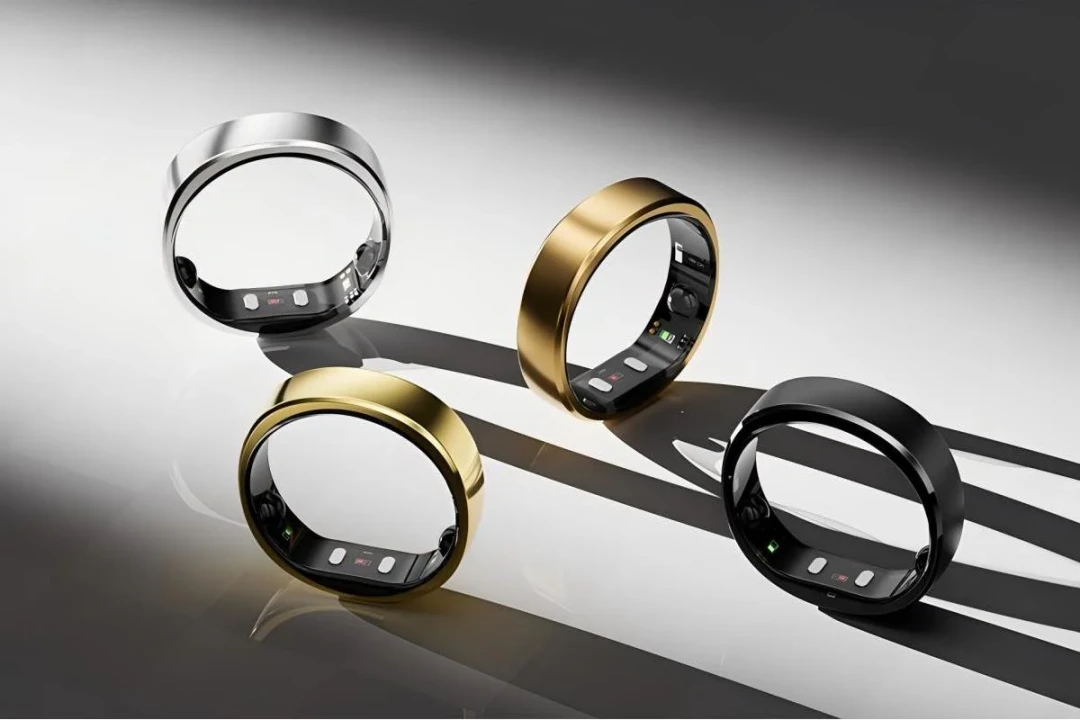
Developed by Sky Labs Inc., the CART-I Plus smart ring is designed for continuous, cuffless blood pressure monitoring. The ring uses photoplethysmography (PPG) combined with proprietary algorithms to estimate blood pressure through optical signals captured at the finger.
The smart ring measures multiple vital parameters, including:
- Systolic Blood Pressure (SBP)
- Diastolic Blood Pressure (DBP)
- Heart rate
- Pulse waveform
- SpO₂ (oxygen saturation)
- ECG signals
Worn like a regular finger ring, the device offers a comfortable and non-intrusive alternative to traditional BP cuffs.
Study Design & Methodology
The clinical study was conducted at Seoul National University Hospital using a prospective comparative design.
Each participant underwent paired blood pressure measurements using two methods:
1. Smart ring worn on the finger
2.Standard upper-arm cuff device using the auscultatory method (the clinical gold standard)
The objective was to directly compare the smart ring’s readings with standard clinical measurements to evaluate accuracy and reliability.
Participants & Data Overview
- 89 volunteers
- Over 500 paired BP measurements
- Participants represented a wide range of blood pressure levels, including:
- Low
- Normal
- Elevated
- Hypertensive
This diversity ensured a robust assessment of the device across real-world BP conditions.
Key Results
1. Strong Correlation With Standard BP Measurements
The smart ring demonstrated a very high correlation with traditional cuff-based readings:
- SBP correlation: r = 0.94
- DBP correlation: r = 0.95
These values indicate strong agreement between the cuffless smart ring and the clinical gold standard.
2. Accuracy Within Clinical Standards
A significant proportion of smart ring readings closely matched reference measurements:
- 67% within ±5 mmHg (SBP)
- 76% within ±5 mmHg (DBP)
- Over 90% within ±10 mmHg
This level of performance is considered acceptable and promising for clinical validation studies of cuffless BP technologies.
3. Reliable Across Different BP Levels
Importantly, the smart ring maintained consistent performance across low, normal, and high blood pressure categories, highlighting its potential for broad clinical and everyday use.
Why This Study Matters
Continuous, Real-Life Blood Pressure Monitoring
Unlike cuff-based devices, a smart ring enables:
- 24/7 blood pressure monitoring
- Sleep-time BP tracking
- Early detection of hypertension trends
- Rich long-term cardiovascular insights
This continuous data can significantly improve preventive care.
Ideal for Remote & Preventive Healthcare
Cuffless smart ring BP monitoring is especially suitable for:
- Chronic disease management
- Telemedicine and remote consultations
- Home-based monitoring
- Elderly care
- Fitness and wellness tracking
Comfort and Ease of Use
With no arm squeezing, no setup, and no disruption of daily activities, smart rings dramatically improve user comfort and long-term adherence compared to traditional cuffs.
Limitations Noted by Researchers
The authors also acknowledged important limitations:
- Need for larger, multi-ethnic study populations
- Evaluation of long-term daily wear performance
- Further modeling required for physiological differences between finger-based and arm-based BP measurements
Despite these limitations, the findings strongly support the feasibility of cuffless BP monitoring using smart rings.
Conclusion
The collaborative study by Seoul National University Hospital and Sky Labs Inc. provides strong clinical evidence that smart rings can accurately measure blood pressure without a cuff. This first-in-human validation represents a major step toward next-generation wearable health monitoring.
Cuffless smart ring technology has the potential to transform hypertension management and everyday wellness tracking—making blood pressure monitoring more accessible, more comfortable, and more data-driven than ever before.
Read the full clinical study: